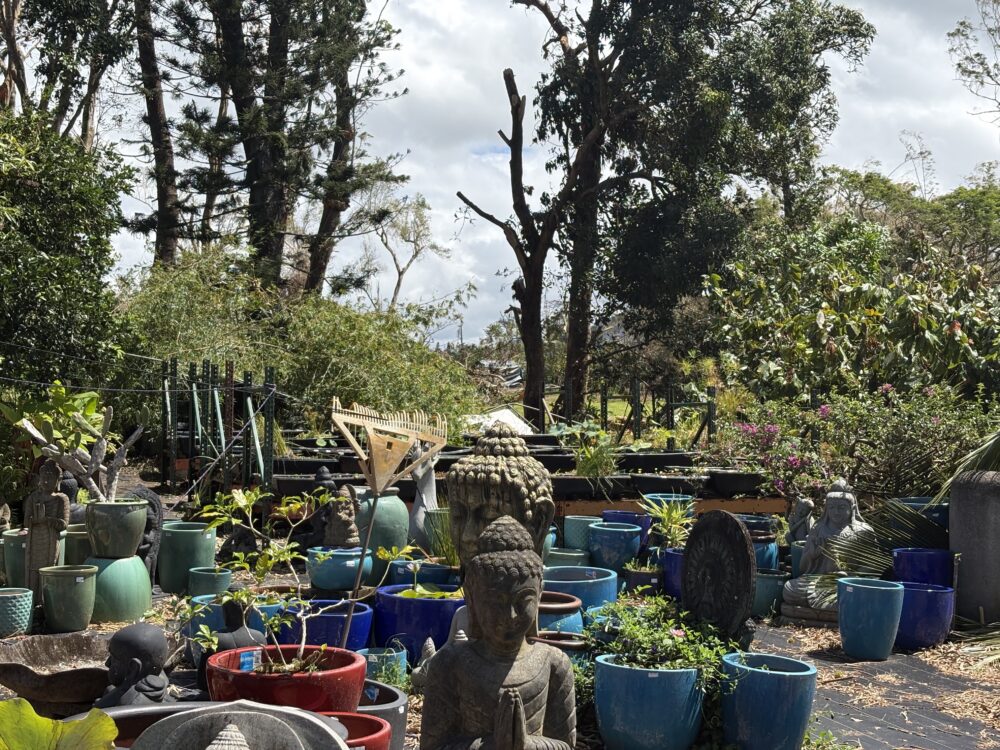
In the weeks since Hurricane Lowell, we’ve had time to see more clearly what helped our water gardens recover, what caused problems, and what we would do differently the next time a major storm comes through.
For anyone dealing with a storm-damaged pond, whether after Lowell or after a future storm, the first question is often the same: Where do I begin?
At Garden Ponds Nursery, that answer started with clearing debris, restoring circulation, and paying close attention to the living systems that had suddenly been put under tremendous stress.
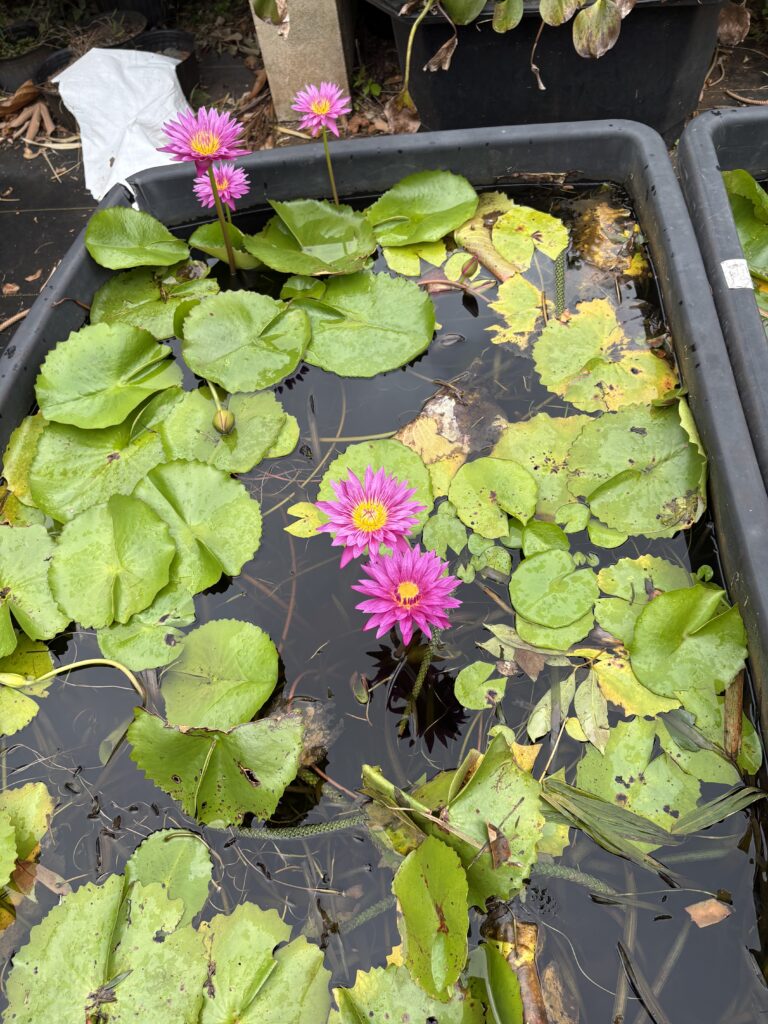
In the middle of that work, our water gardens also taught us something about balance, resilience, and recovery. Within a few days of the storm, lilies that had been pushed beneath the surface began coming back up and blooming. That sight has stayed with us.
Start with the debris
If your pond has fish, one of the most helpful things you can do after a storm is to remove leaves and branches as soon as it is safe to do so. In some of our ponds, nearly six inches of organic material fell in.
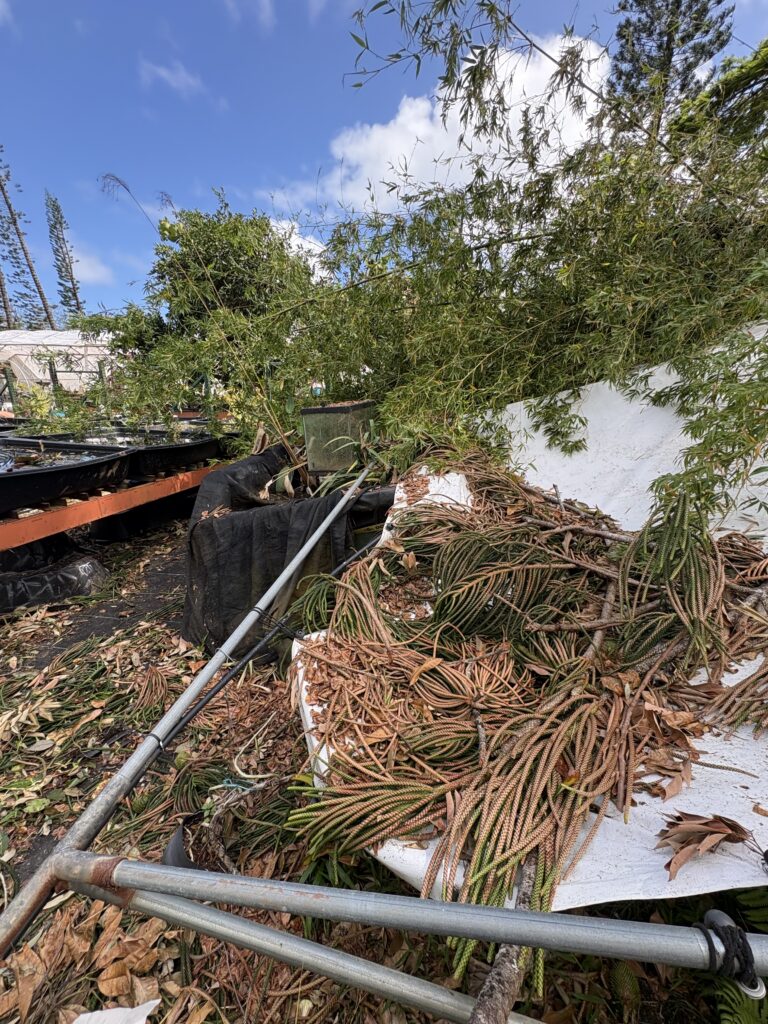
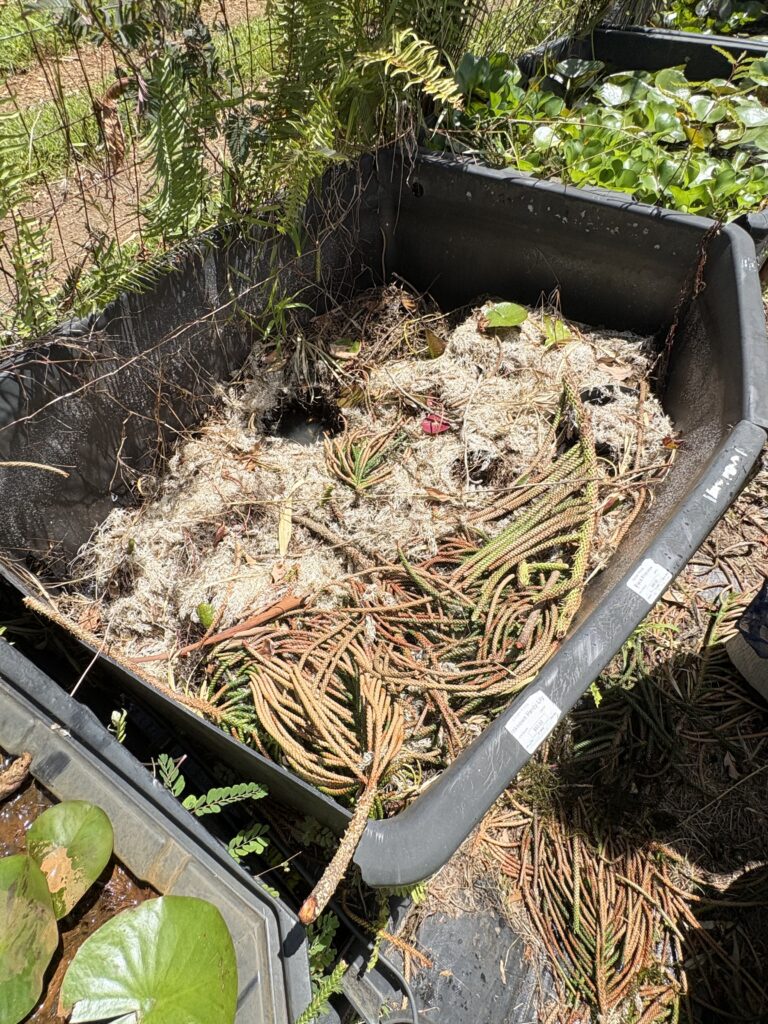
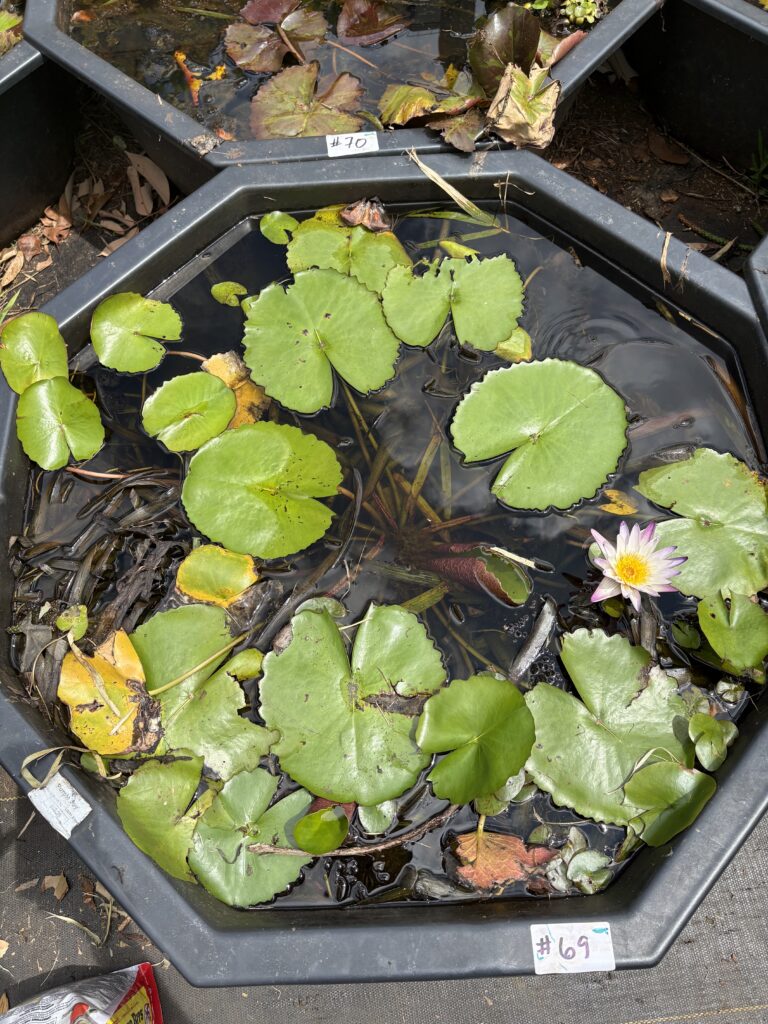
Removing fallen debris is an important first step. If organic material overwhelms your aquatic ecosystem, you risk losing your fish.
As that material breaks down, microorganisms consume oxygen. That sudden, heavy biological load can create serious problems, especially when pumps and filters are not running.
Keeping a net or long-handled skimmer somewhere that you can grab quickly before a storm can make that first step a little easier. Simply getting the larger debris out can go a long way toward helping the pond regain balance.
One of the things that surprised us after Lowell was how well many of our water gardens actually did, even through an extended power outage.
A big part of that came down to balance
A water garden is a living ecosystem, and the number and size of your fish matter just as much as the equipment running the pond. The more koi you have, and the larger they are, the greater the demand they place on oxygen and the biological system.
Clarifying plants are an important part of that balance. They take up nutrients from the water and, during daylight, contribute oxygen through photosynthesis.
With a healthy amount of plant life and a fish population appropriate for the volume of water, a pond can be much more resilient when circulation, filtration, or aeration is interrupted.
That doesn’t mean pumps, filters, and aerators aren’t valuable. If you have a safe way to keep aeration or filtration operating during an outage, that provides another layer of protection.
But one of the lessons Lowell taught us is that a properly balanced pond should not depend entirely on a single piece of equipment.
And don’t rush to turn a biological filter back on after it has been sitting stagnant for a long period. Material trapped inside can begin decomposing without adequate oxygen and become foul-smelling and stagnant.
Whenever possible, backflush or clean the filter before sending that water back into the pond.
If wiring, pumps, or other electrical equipment were flooded or damaged during the storm, don’t guess. Have them checked before turning anything back on.
Don’t forget about mosquitoes
Storms can create countless new pockets of standing water around homes and gardens, and ponds and water features can become mosquito breeding sites when circulation is interrupted.
Once you’ve addressed the immediate debris and equipment issues, check around your property for containers, buckets, plant saucers, tarps, clogged gutters, and other places where water may have collected. Empty what you can and eliminate unnecessary standing water.
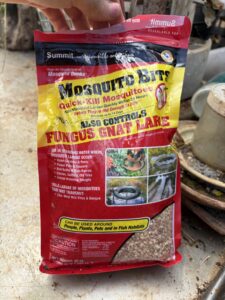
For water that cannot be emptied, Mosquito Bits can be another useful tool. Mosquito Bits contain Bacillus thuringiensis israelensis (Bti), which targets mosquito larvae and can be used in water gardens and other standing-water situations. Follow the product label for application instructions. Mosquito Bits are available at Ace Hardware.
The goal isn’t to eliminate every insect from a healthy water garden. It’s to interrupt mosquito breeding in places where stagnant water has accumulated, particularly after a storm.
The lilies reminded us why these places matter
A water garden gives us somewhere to sit, listen, and watch life find its balance again. That is part of why reopening Garden Ponds matters to us.
There are obviously more urgent needs throughout Kauaʻi following a major storm, and we don’t take that lightly. But places of normalcy matter too.
For many people, Garden Ponds has become more than a nursery. It is a quiet place to walk, look at the fish, sit beside the water, and reconnect with something peaceful.
That sense of calm matters, particularly when so much around us has been disrupted.
We look forward to opening our gates again when it is safe to do so.